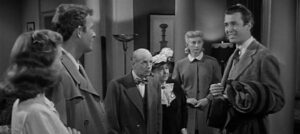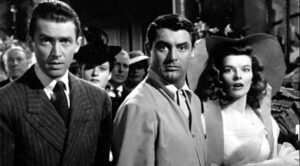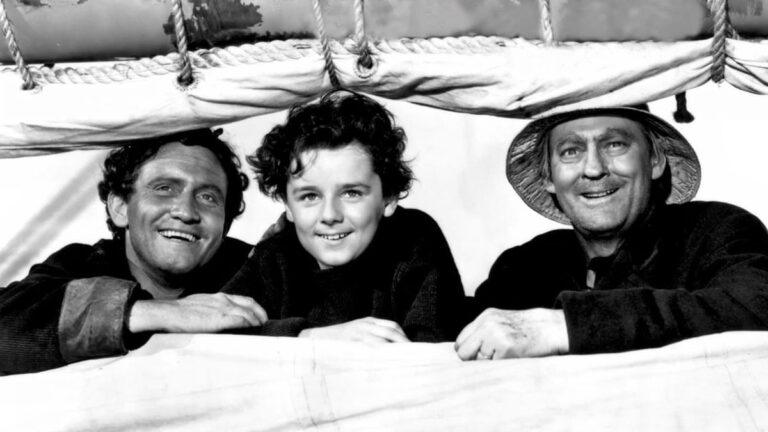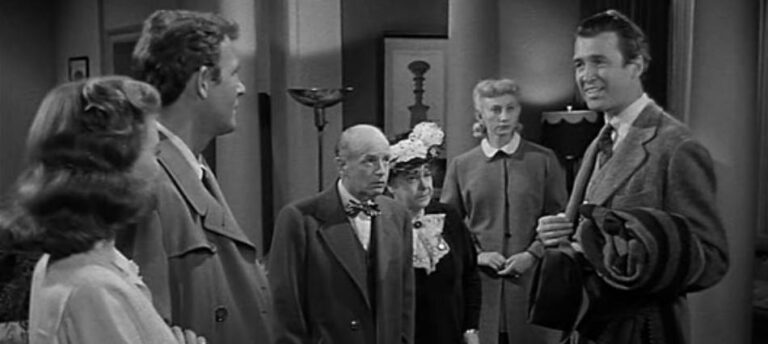


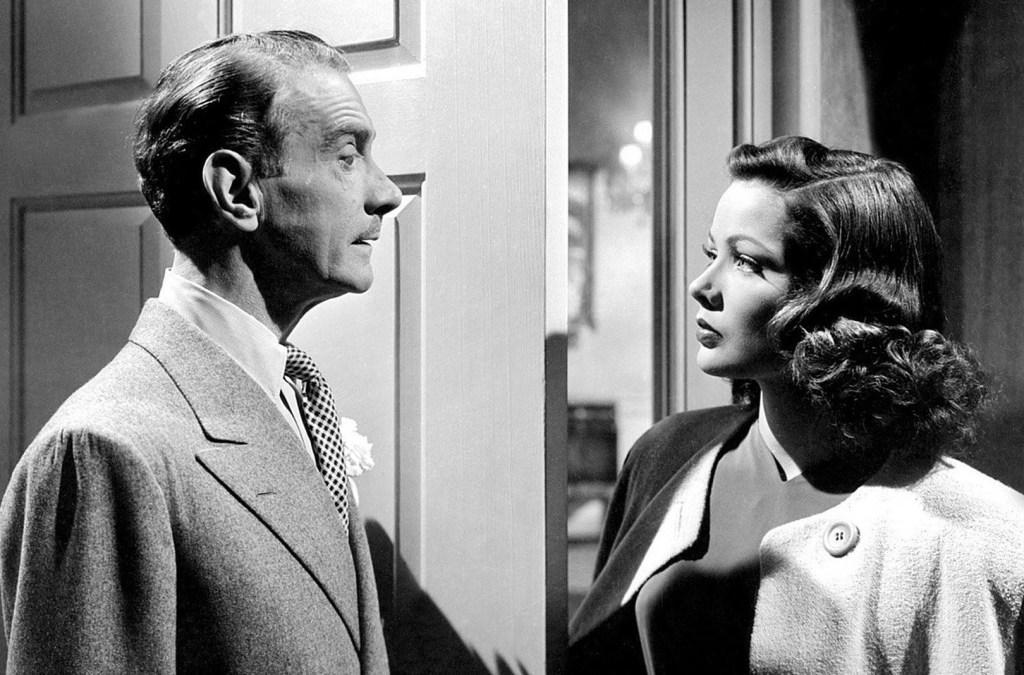
A film with a mysterious and strange personality, a film noir classic, an inexhaustible film that never ceases to offer us possibilities, something that only great masterpieces can achieve, directed by one of the great directors in the history of cinema, Otto Preminger and his wisdom to direct actors. Based on the novel “Ring Twice for Laura” by Vera Caspary, an educated upper-class New York bourgeois who, both in the novel and in the film, poses a criminal conflict that is essentially a subtle (psychosexual) conflict between two social classes. Although the signs and symbols that determine this confrontation between the New York upper class and the working class, are almost imperceptible.
The film, like the novel, is magnificently conceived and structured as a narrative artifact, enveloping the reader with a series of agile and innovative resources and structured in two parts, a first, full of mystery, memories and nostalgia, and a second part where the memories come to life, all of this creates an enveloping, disturbing and mysterious atmosphere that the photography of the film is responsible for highlighting and for which Joseph LaShelle won an Oscar for best white photography
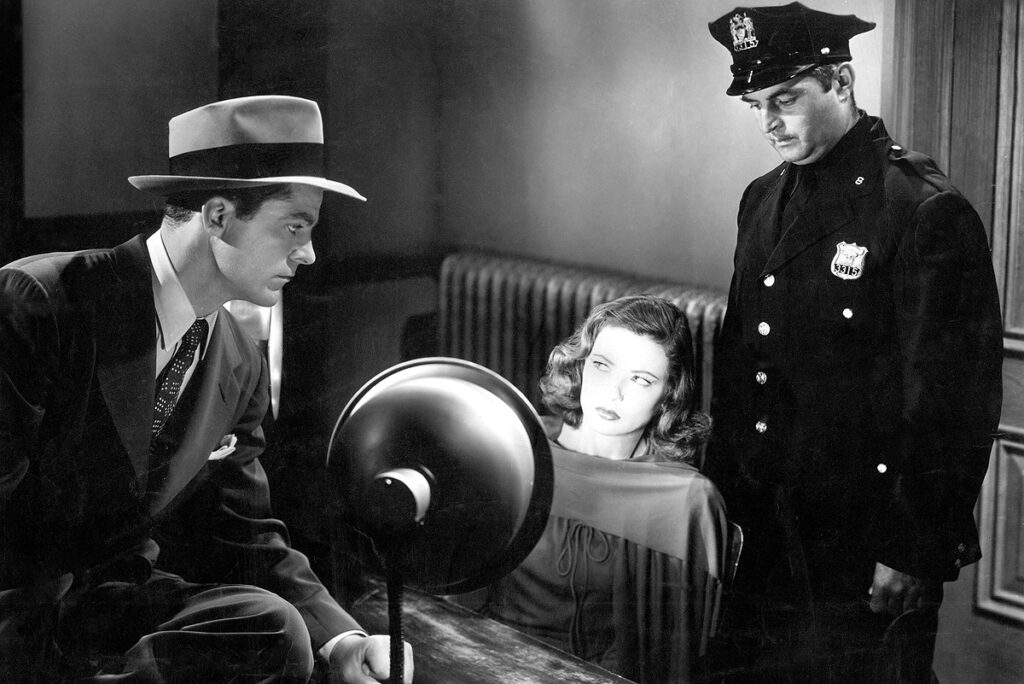
The first part revolves around the protagonist who we assume is dead, Laura Hunt (Gene Tierney) who we never meet firsthand but through what the other characters say about her. The film knows how to bring her to life through that memory that her closest relatives, her protector, mentor and friend Waldo Lydecker (Clifton Webb), a cynical social columnist, make of Laura, he will be the one who tells us in retrospect how he met and became Laura's mentor and how he was in charge of modeling her, teaching her how to dress and helping her enter the high society to which he belongs and how he ended up falling in love with her, also her boyfriend or lover Shelby Carpenter (Vicent Price), a playboy who Laura seems to fall in love, she tells us how they began their relationship and her dear housekeeper who feels absolute veneration for her, all of them draw a portrait of a woman not only physically beautiful, embodied in that painting of hers that presides over the living room of her apartment, but also inside, warm, kind, affectionate, generous, so beautiful is that ideal of a woman drawn that the very detective who tries to solve the case of her murder, Mark McPherson (Dana Andrews) falls in love of her evoking her memory. How true or false is falling in love, we create in our minds an image of the loved one that sometimes may or may not coincide with reality, but we cling to it, it is our ideal, embodied in the real world. Let's dream of that ideal, imagine it and make it a reality.
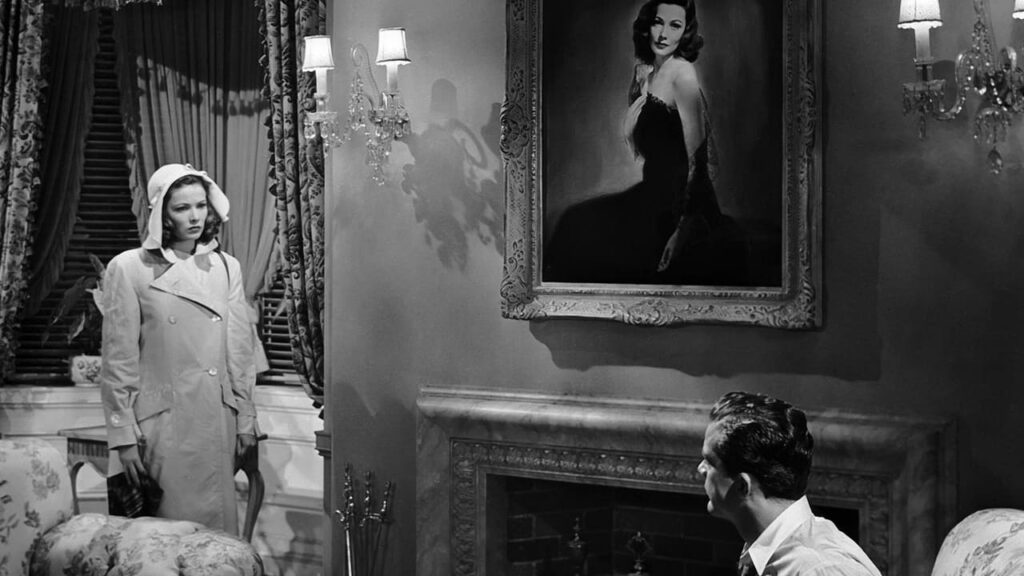
It is in the second part, when that ideal comes to life, in the sequence of the appearance of Laura Hunt, who bursts into the living room of her apartment presided over by that painting of hers (actually an oil-varnished photograph of Gene Tierney, the idea of the director ) and awakens the policeman from his lethargy who attends his "resurrection", in one of the most visually elegant and powerful sequences in the history of cinema, but what happens is real or the product of a McPherson dream, and as In the background is the suggestive and unforgettable musical melody composed for the film by David Raksin (in a melancholic state when he suffered the announcement of the separation from his wife and found out about it through a telegram).